Exploring Punjab’s Historic Sites
Punjab, a vibrant region in northern India, is not just known for its rich agricultural lands and lively culture but also for its remarkable historical sites. Each monument and fort narrates tales of valor, spirituality, and the region’s glorious past. In this blog, we will delve into some of Punjab’s most significant historic sites, including the iconic Golden Temple and the ancient forts of Patiala.
The Golden Temple: A Spiritual Haven
The Golden Temple, or Harmandir Sahib, located in Amritsar, is the most revered spiritual site in Sikhism. This magnificent temple attracts millions of visitors every year, both pilgrims and tourists alike.
A Brief History
The Golden Temple was founded in 1577 by Guru Ram Das, the fourth Sikh Guru. Over the years, it has been a symbol of peace and harmony, embodying the core values of Sikhism.
Architectural Marvel
- Golden Dome: The temple’s stunning golden dome is made of pure gold and is a sight to behold, especially when it reflects in the surrounding Amrit Sarovar (Pool of Nectar).
- Intricate Inlay Work: The marble pathways and the walls of the temple feature exquisite inlay work, showcasing the craftsmanship of the artisans.
- Langar Hall: The temple serves free meals to thousands of visitors daily, promoting the values of equality and service.
Cultural Significance
The Golden Temple serves as a beacon of hope and spirituality. Its message of inclusivity resonates with people from all walks of life, making it a must-visit site for anyone exploring Punjab.
Forts of Patiala: A Glimpse into Royal History
Patiala, known for its regal heritage, boasts several forts that reflect the grandeur of its royal past. These forts are a testament to the architectural prowess and the rich history of the erstwhile Patiala state.
Qila Mubarak: The Royal Citadel
Qila Mubarak is one of the most significant forts in Patiala, built in the 18th century. This fort served as the residence of the Patiala royal family.
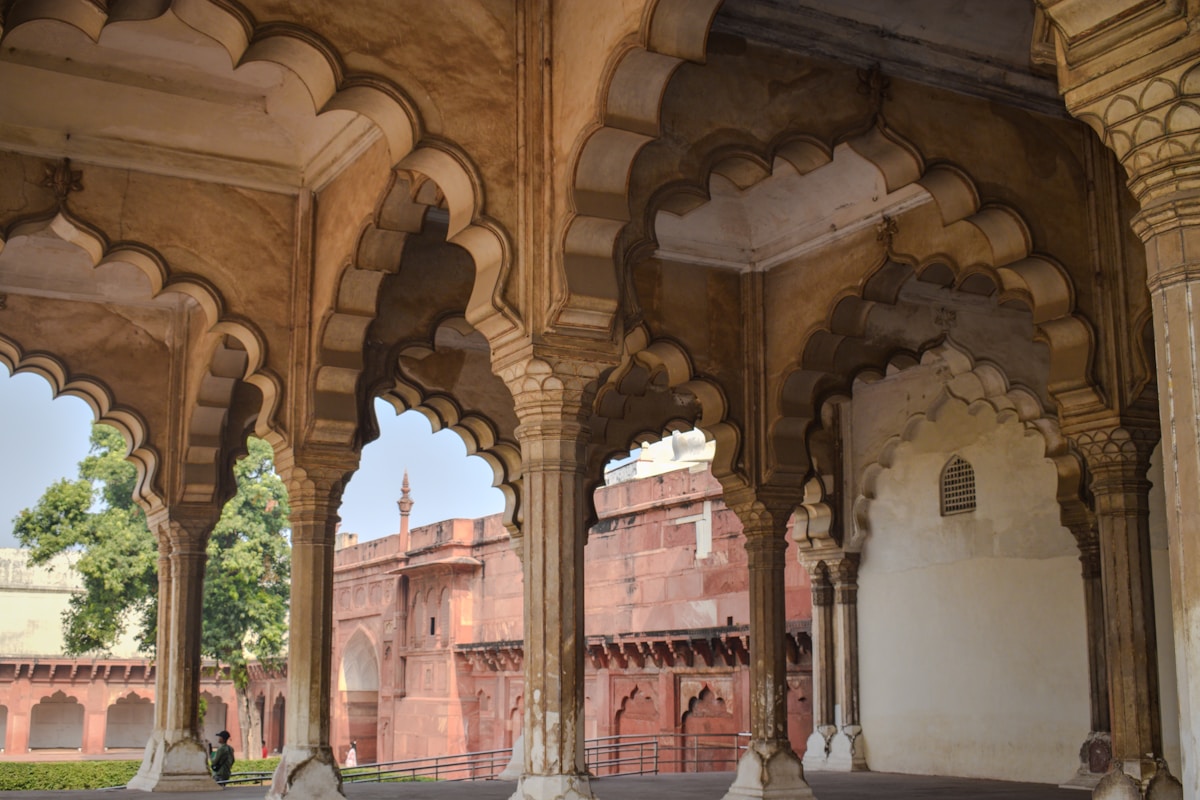
- Architecture: The fort showcases a blend of Mughal and Rajput architectural styles, with intricate carvings and expansive courtyards.
- Historical Significance: It has witnessed numerous historical events and is a symbol of the rich heritage of Patiala.
Sheesh Mahal: The Palace of Mirrors
Sheesh Mahal, literally translating to ‘Palace of Mirrors,’ is another stunning structure in Patiala.
- Mirror Work: The palace is famous for its exquisite mirror work, which adorns the walls and ceilings, creating a mesmerizing effect.
- Gardens: The surrounding gardens add to the beauty of the palace, making it a perfect spot for relaxation and reflection.
Other Notable Forts
Besides Qila Mubarak and Sheesh Mahal, Patiala is home to several other forts and palaces, including:
- Gurudwara Dukh Niwaran Sahib: A spiritual site with historical significance.
- Baradari Garden: A beautiful garden that houses a historical palace.
Exploring the Cultural Landscape
Punjab’s historical sites are not just about architecture; they are woven into the cultural fabric of the region. Each site offers insights into the traditions, art forms, and lifestyles of the people.
Festivals and Celebrations
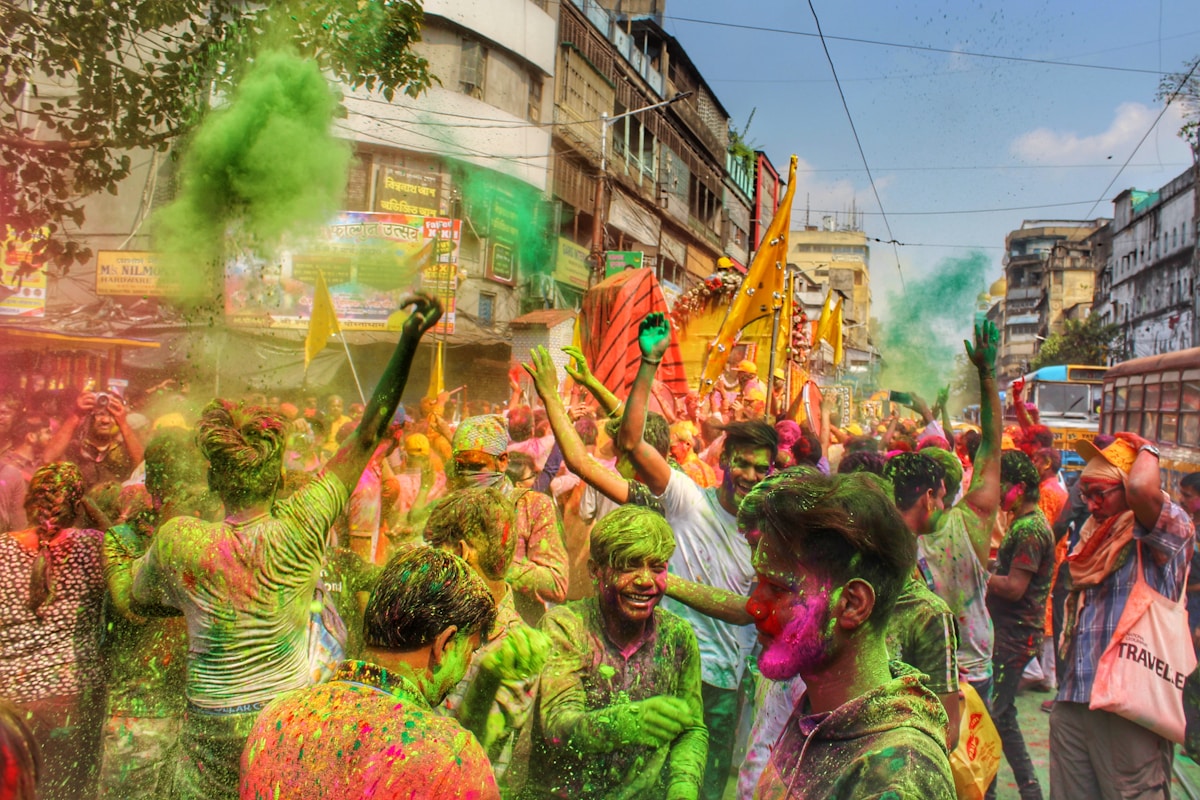
- Baisakhi: Celebrated in April, this harvest festival attracts visitors to the Golden Temple, where vibrant celebrations take place.
- Vaisakhi Mela: A fair held annually, showcasing traditional music, dance, and local handicrafts.
Culinary Delights
Exploring the historic sites of Punjab is incomplete without indulging in its culinary offerings:
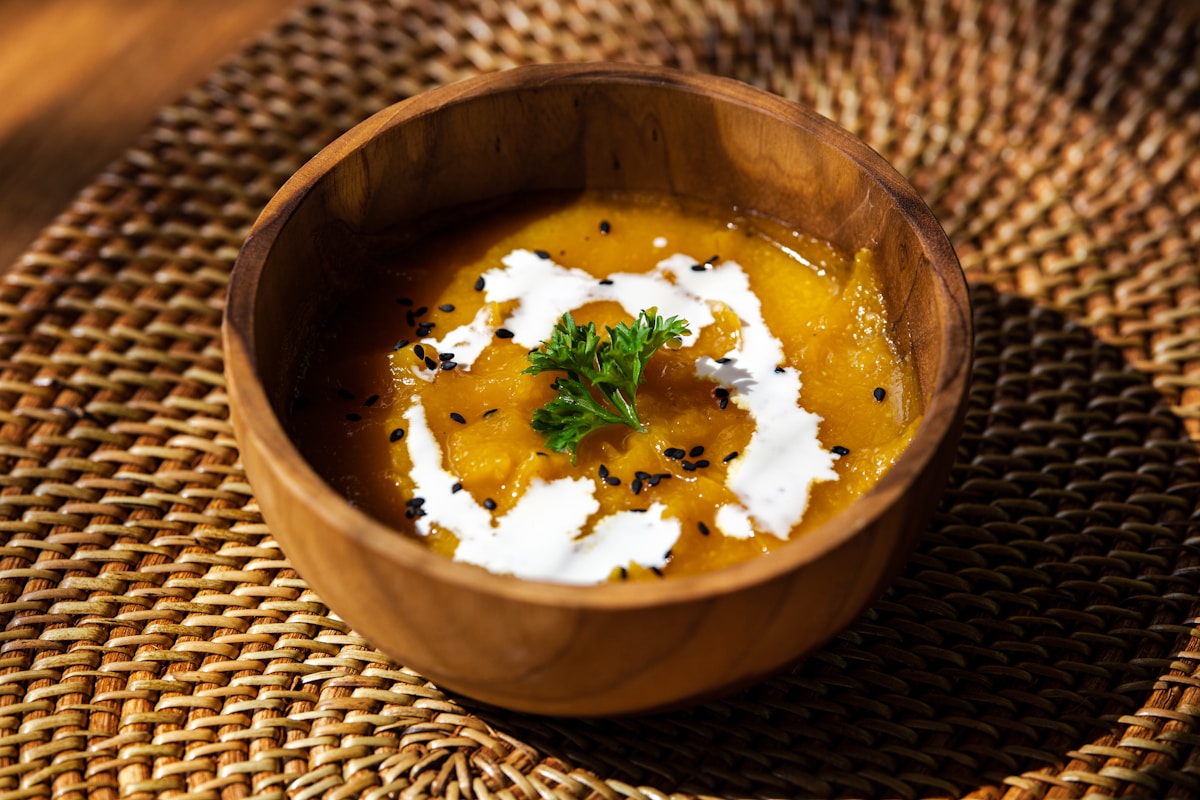
- Amritsari Kulcha: A stuffed bread served with spicy chickpeas.
- Lassi: A refreshing yogurt-based drink that is a staple in Punjabi households.
Conclusion
Punjab’s historic sites, from the serene Golden Temple to the majestic forts of Patiala, offer a captivating glimpse into the region’s rich heritage. These monuments are not just structures of stone and mortar; they are living testimonies of the culture, spirituality, and history of Punjab. Whether you are a history enthusiast or a casual traveler, exploring these sites will undoubtedly leave you with lasting memories and a deeper appreciation of Punjab’s glorious past.